
01
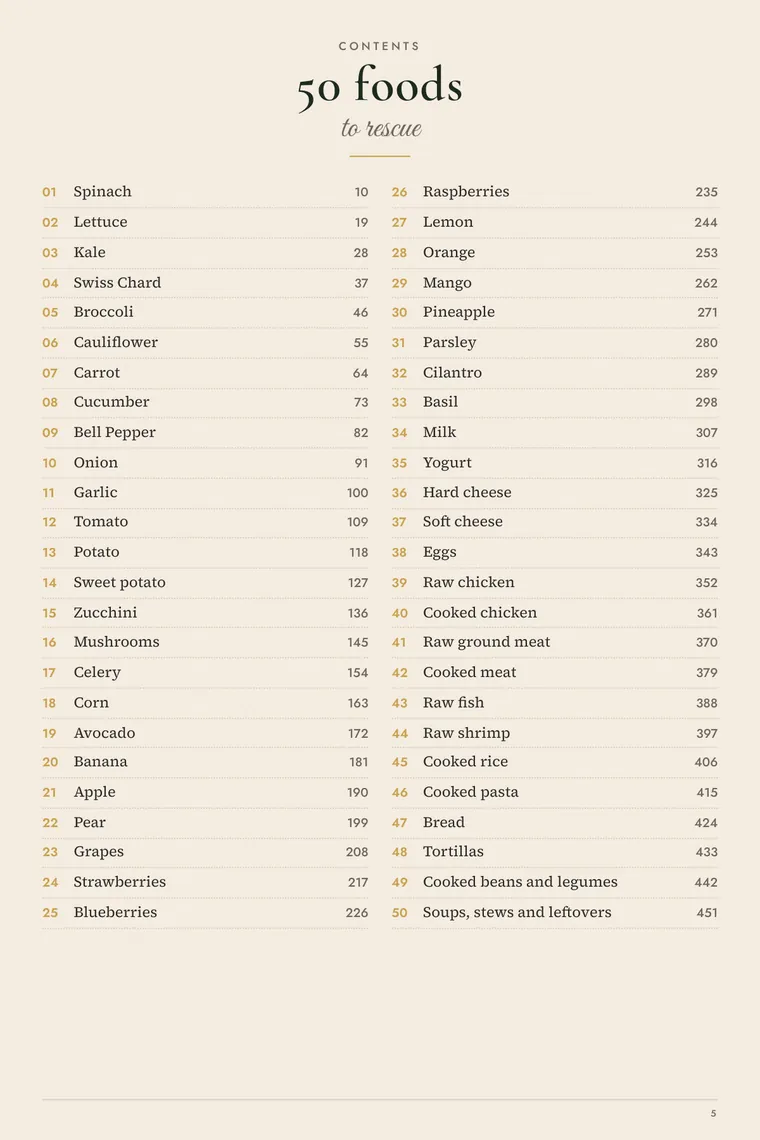
50 everyday foods
Vegetables, fruit, herbs, dairy, eggs, meat, fish, grains and leftovers, each with its own page.
The complete guide · PDF ebook
Cook what you have before it goes bad.
By Ana Paula Méndez Carpio
How the book works
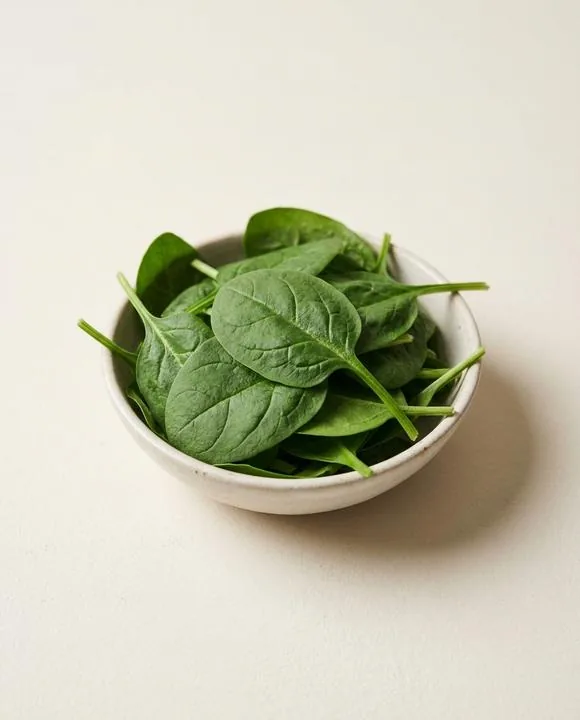
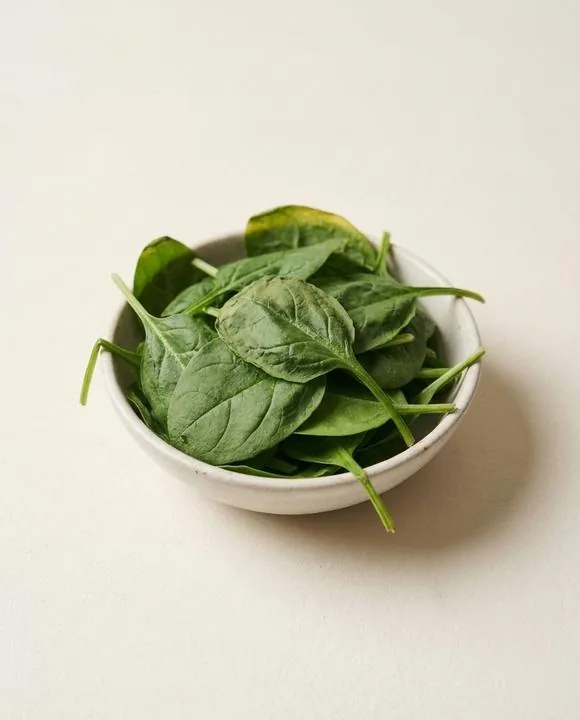
Each of the 50 foods has its three stages in photos, so you know when it is still good, when to use it soon and when it is time to let it go.
Even green color, perky leaves, no serious damage.
A little wilted, no mold or rot: cook it soon.
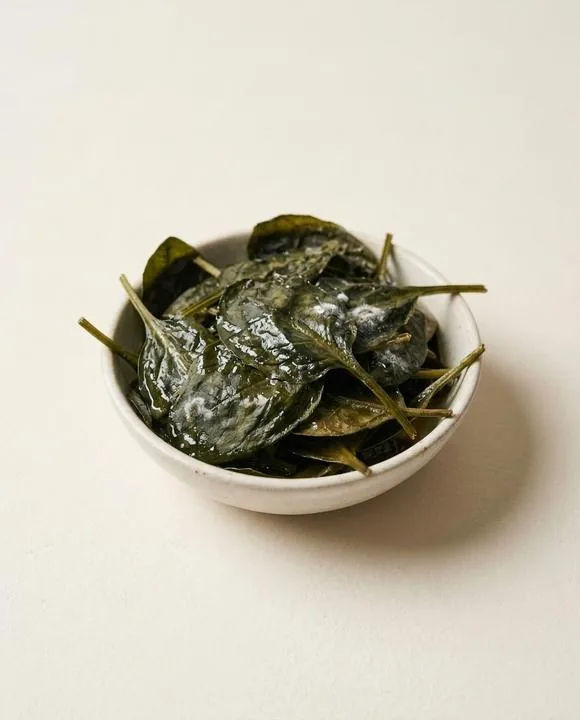
Rotten, moldy, or soft and watery.
What's inside
Vegetables, fruit, herbs, dairy, eggs, meat, fish, grains and leftovers, each with its own page.
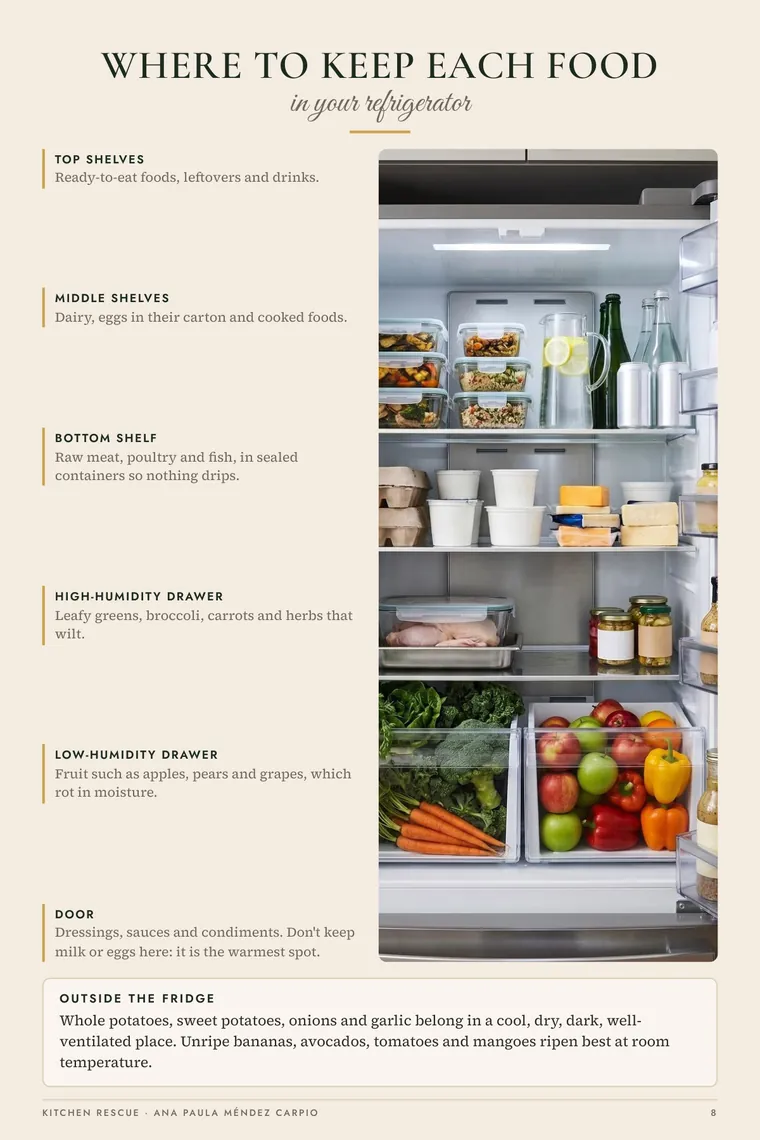
What goes in each part of the fridge, what is better left out, and why.
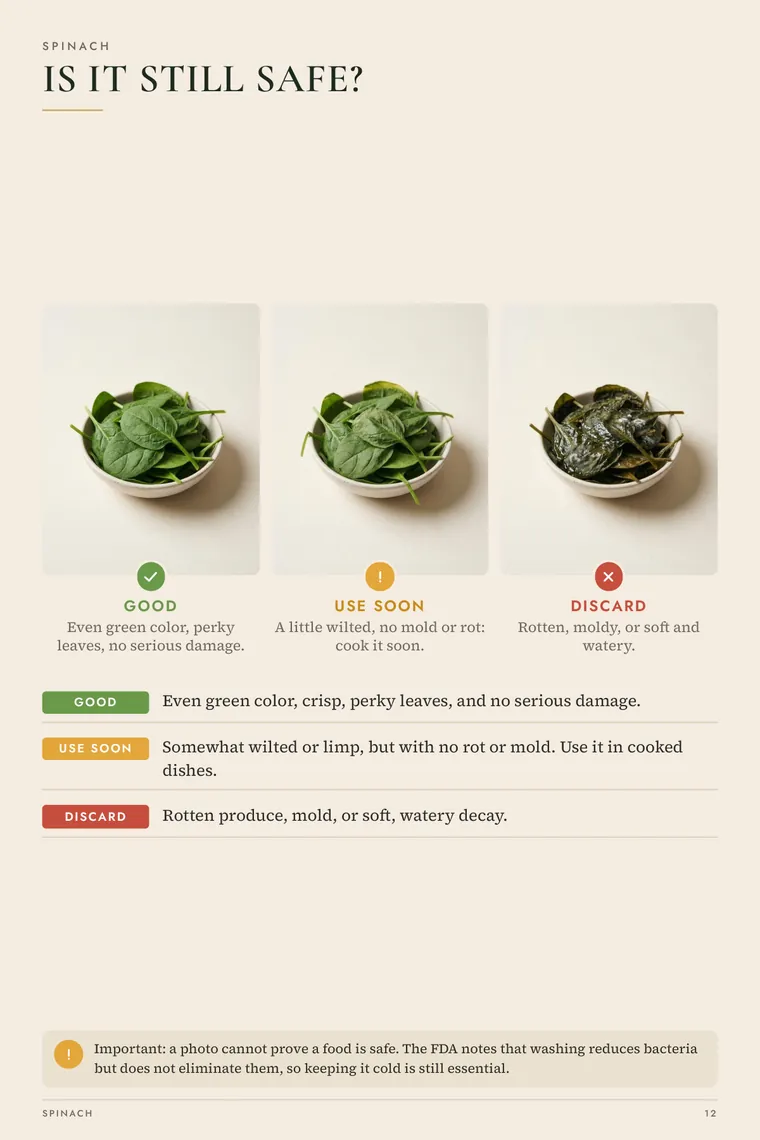
Photos of each food when it is good, when to use it soon and when to discard it, with the signs to look for.
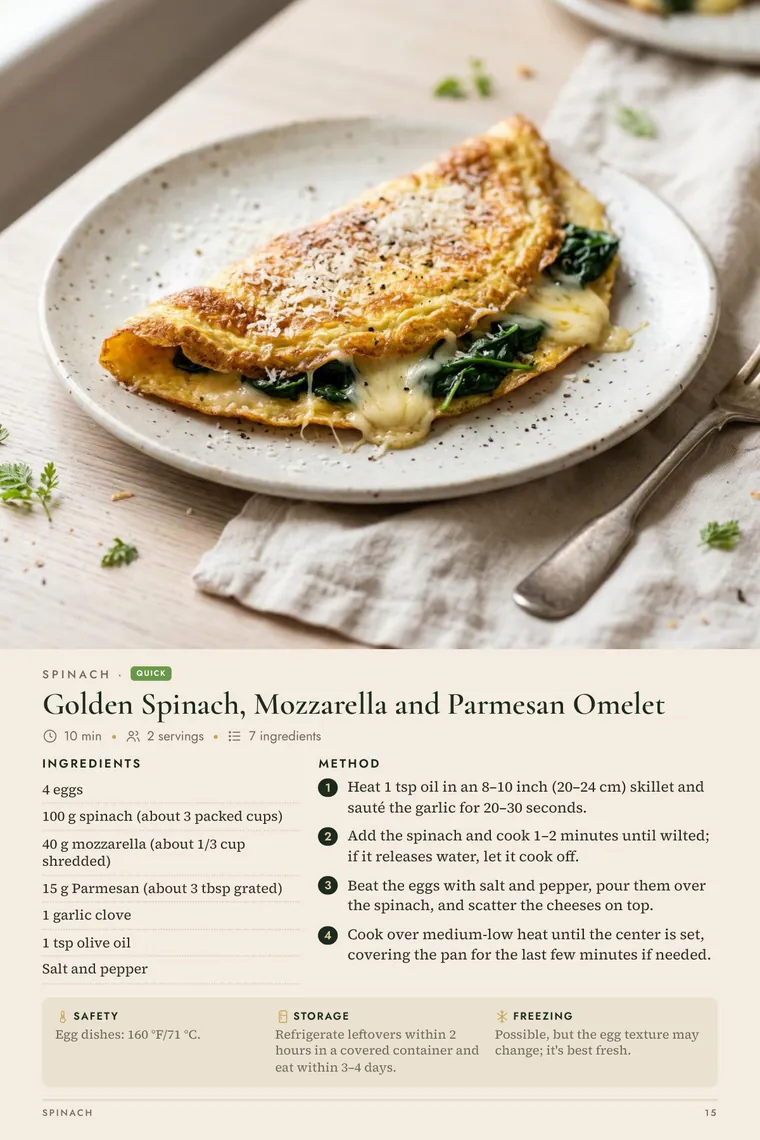
Four recipes per food to use it in time, with times, servings and how to store what is left.
The 50 foods
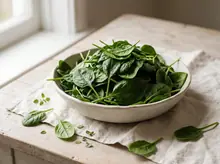 Spinach
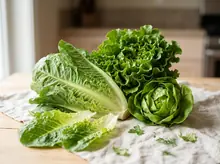 Lettuce
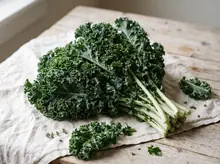 Kale
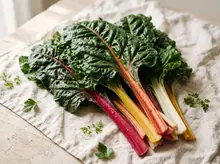 Swiss Chard
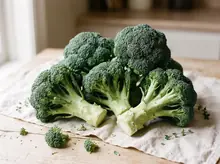 Broccoli
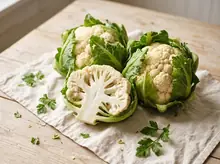 Cauliflower
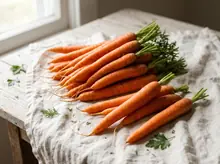 Carrot
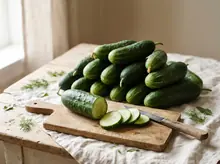 Cucumber
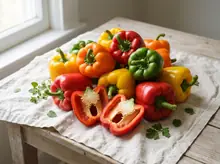 Bell Pepper
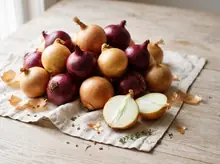 Onion
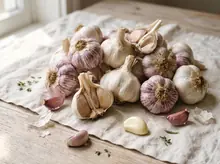 Garlic
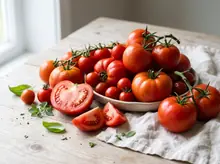 Tomato
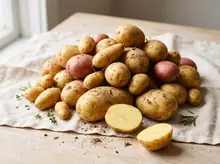 Potato
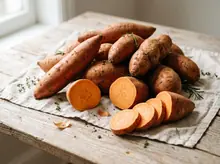 Sweet potato
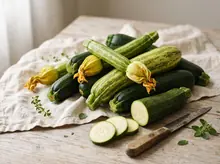 Zucchini
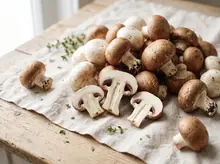 Mushrooms
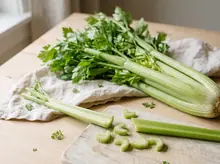 Celery
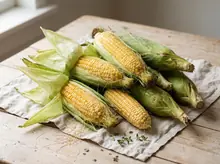 Corn
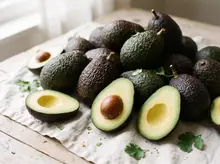 Avocado
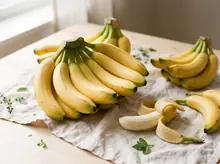 Banana
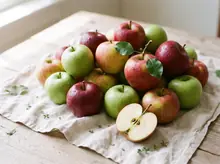 Apple
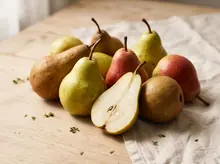 Pear
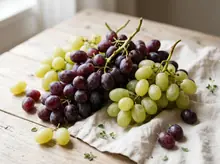 Grapes
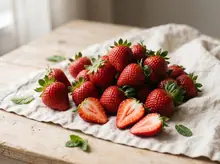 Strawberries
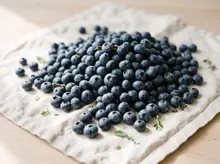 Blueberries
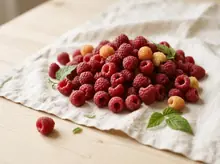 Raspberries
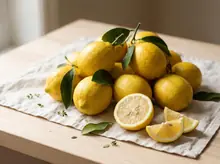 Lemon
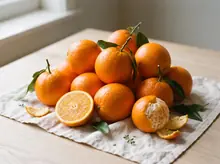 Orange
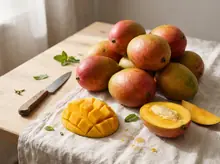 Mango
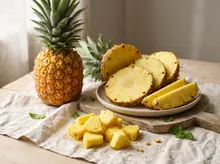 Pineapple
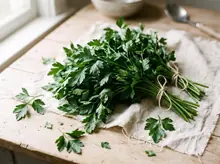 Parsley
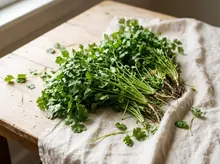 Cilantro
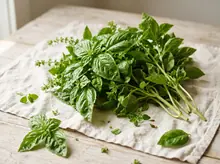 Basil
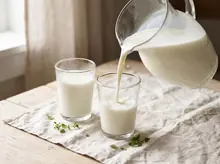 Milk
 Yogurt
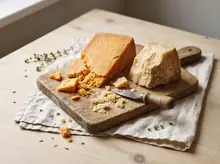 Hard cheese
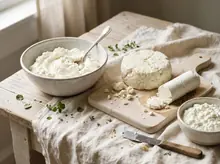 Soft cheese
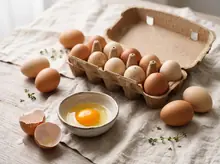 Eggs
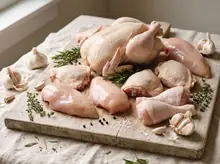 Raw chicken
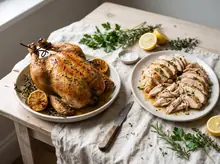 Cooked chicken
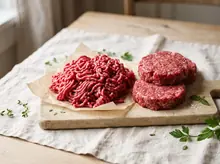 Raw ground meat
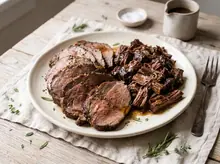 Cooked meat
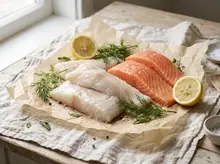 Raw fish
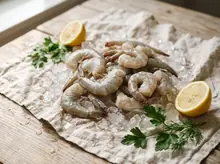 Raw shrimp
 Cooked rice
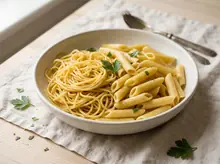 Cooked pasta
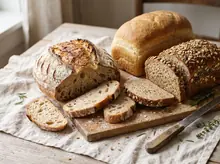 Bread
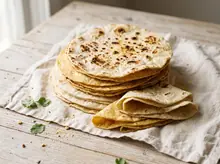 Tortillas
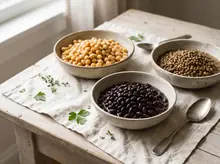 Cooked beans and legumes
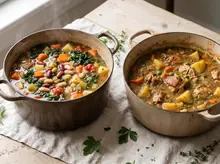 Soups, stews and leftovers
Recommended products
These are the tools referenced throughout the book. For each one you will find why it helps, what to check before you buy and which foods you will use it with. You do not need all of them: start with the ones that solve what you throw away most often.
As an Amazon Associate I earn from qualifying purchases.
Each button opens an Amazon search for the type of product rather than a single brand, so you can compare prices, sizes and reviews. Prices and availability are set by Amazon and may change at any time.
13 products
The tools that keep produce, dairy and leftovers in good shape for longer: moisture control, darkness, the right amount of air and a temperature you can actually check.
Store
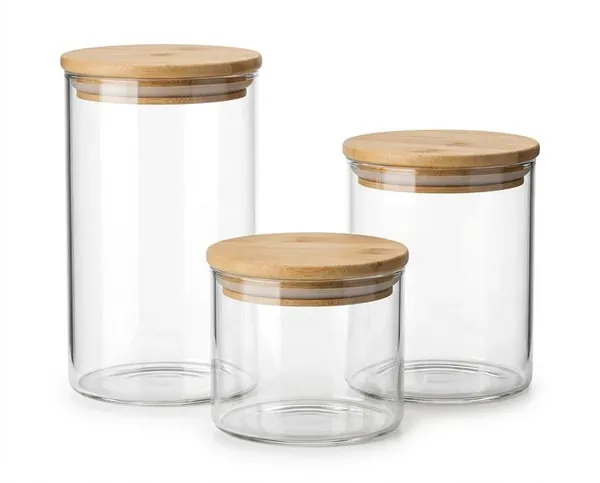
Leftovers, cut fruit and cooked grains last longer when air stays out and you can see what is inside without opening the lid. Glass will not stain with tomato sauce or hold on to garlic smells, and an oven-safe base lets you reheat a casserole in the same container you stored it in.
Borosilicate glass with four-latch lids and a silicone seal. Check that the base is oven-safe and the lids are dishwasher-safe.
Useful for Cucumber, Tomato, Sweet potato, Avocado, Mango, Pineapple, Yogurt, Soft cheese, Cooked chicken, Cooked meat, Cooked rice, Cooked pasta, Cooked beans and legumes
See on Amazon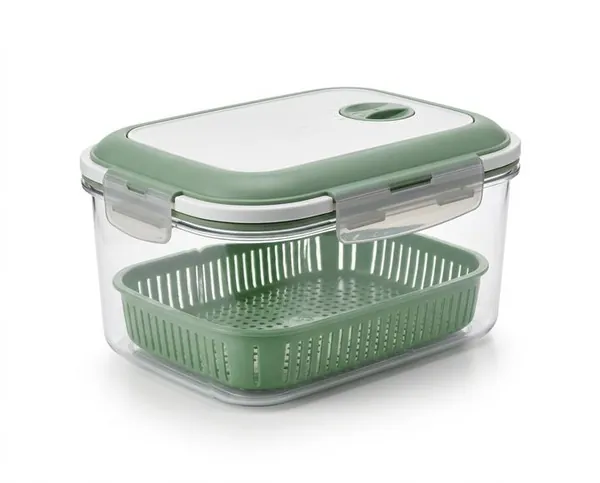
Store
Leafy greens and cut vegetables break down fastest when condensation pools on them or when they get crushed at the back of the drawer. A vented keeper with a raised basket lets extra water drain away from the leaves while the air inside stays humid, which is exactly what spinach, lettuce and broccoli need.
An adjustable vent, a removable basket that lifts produce off the bottom, and dimensions that actually fit your crisper drawer.
Useful for Spinach, Lettuce, Kale, Swiss Chard, Broccoli, Cauliflower, Carrot, Cucumber, Bell Pepper, Zucchini, Mushrooms, Celery, Apple, Pear, Grapes
See on Amazon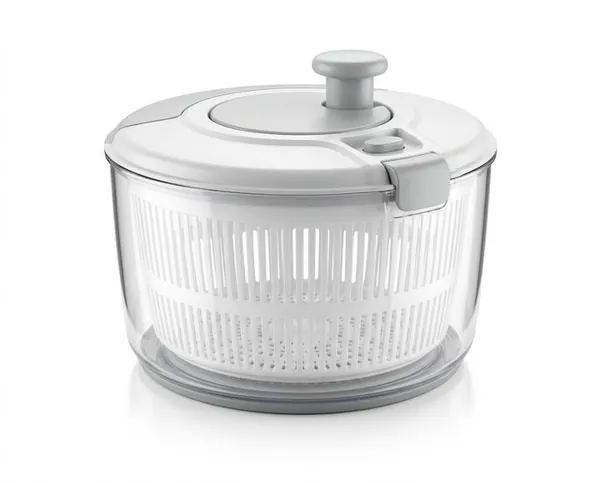
Store
Water left on washed leaves is one of the main reasons greens turn slimy in the fridge. A spinner dries a whole head of lettuce in seconds, so you can wash once, dry thoroughly and store leaves that stay crisp for days.
A pump or pull-cord you can work with one hand, a non-slip base, and a basket that doubles as a colander.
Useful for Spinach, Lettuce
See on Amazon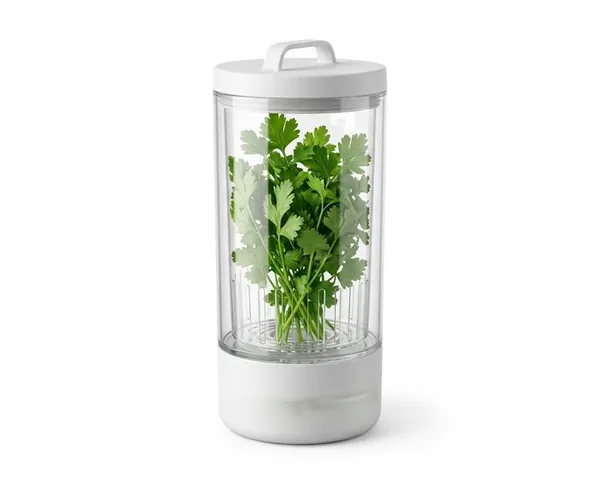
Store
Parsley, cilantro and basil behave more like a bouquet than like vegetables. A herb keeper holds the stems in a little water under a cover, so the leaves stay hydrated without sitting wet. The same keeper can stay on the counter for basil, which does not like the cold.
Tall enough for long stems, a water reservoir that is easy to refill, and a slim shape that fits in the fridge door.
Useful for Parsley, Cilantro, Basil
See on Amazon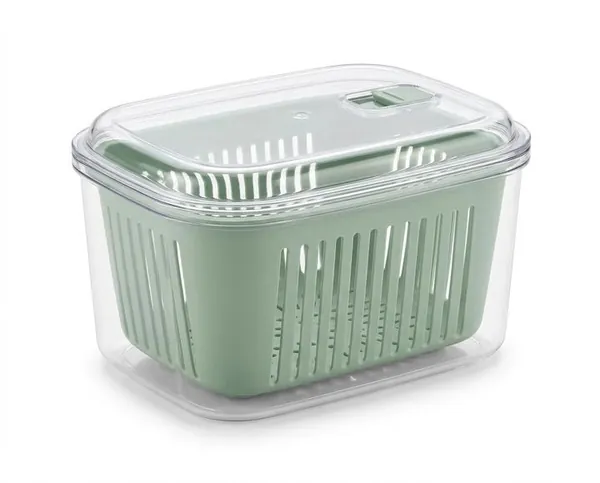
Store
Berries mold quickly when they sit in their own moisture or get squashed under each other. A keeper with a built-in colander lets air move underneath and makes it easy to rinse them right before eating, which is the best time to wash them.
A colander that lifts out easily, a vented lid, and a shallow shape so delicate fruit is not stacked too deep.
Useful for Strawberries, Blueberries, Raspberries
See on Amazon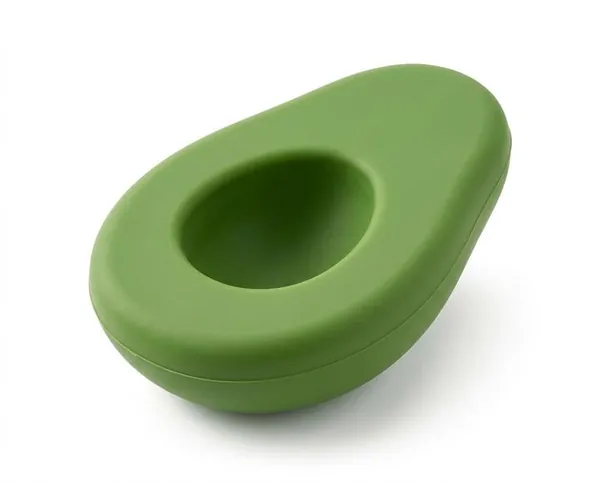
Store
Once an avocado is cut, the exposed flesh starts to brown as soon as air reaches it. A saver hugs the half that still has the pit and seals the surface, so tomorrow's toast or guacamole starts with green flesh instead of a layer you have to scrape off.
Soft, food-grade silicone that adjusts to different sizes and leaves room for the pit.
Useful for Avocado
See on Amazon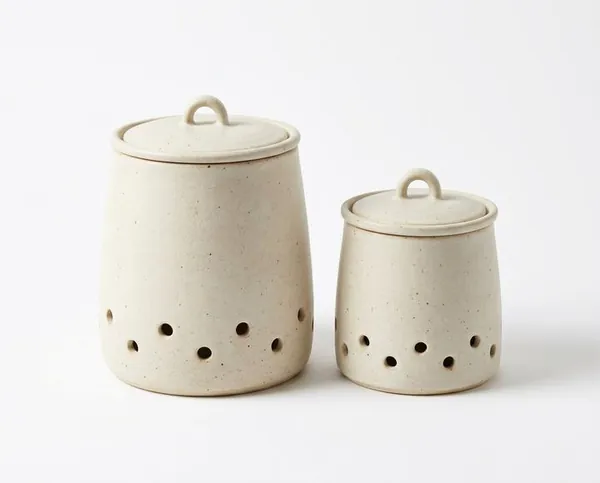
Store
Whole onions and garlic want a cool, dark, dry spot with some airflow, not a sealed plastic bag. A ventilated, opaque keeper gives them those conditions in the pantry and keeps their smell away from everything else.
Opaque material with ventilation holes, a lid that blocks light, and room for a few heads of garlic or two or three onions.
Useful for Onion, Garlic
See on Amazon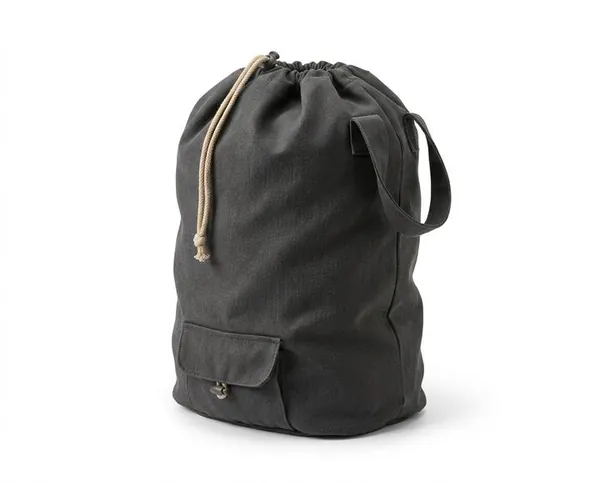
Store
Light turns potatoes green and makes them sprout sooner, and plastic traps the moisture that leads to rot. A breathable blackout bag keeps them in the dark with air around them, which is the simplest way to make a big bag from the market last.
A light-blocking lining, breathable fabric, and an opening at the bottom so you always use the oldest potatoes first.
Useful for Potato
See on Amazon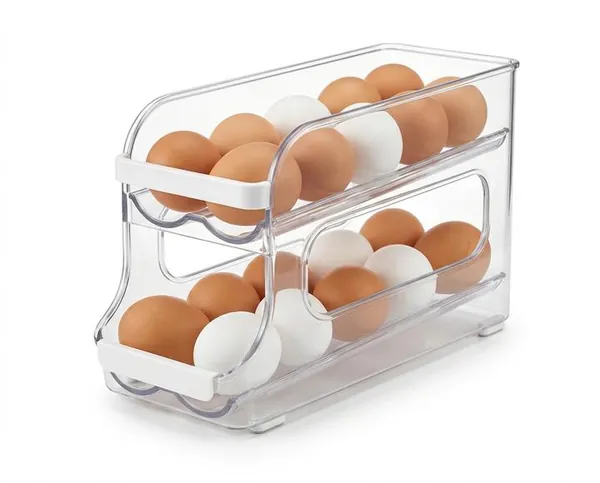
Store
Eggs keep best on an inside shelf of the fridge, where the temperature is steadier than in the door. A clear holder on that shelf shows you at a glance how many are left so you can use the oldest first. If you take them out of the carton, copy the purchase date onto a label.
Clear BPA-free plastic, a lid that protects against fridge odors, and a size made for a shelf rather than the door.
Useful for Eggs
See on Amazon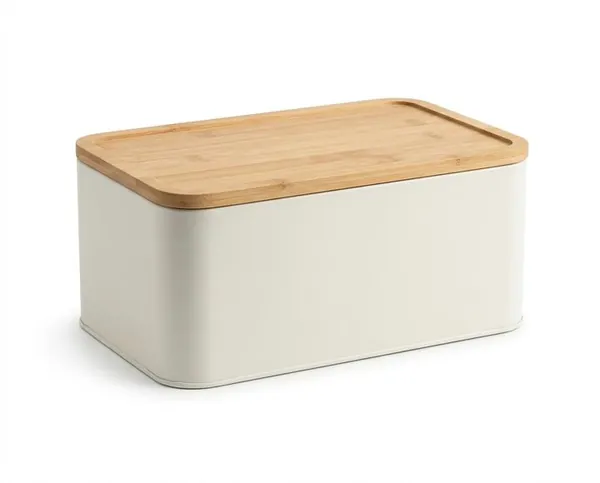
Store
Bread goes stale faster in the fridge than on the counter, yet left in the open it dries out in a day. A bread box holds just enough humidity to keep crust and crumb in balance for a few days. Anything you will not eat by then is better sliced and frozen.
A lid that closes well without being airtight, a wood or bamboo top that doubles as a board, and room for a full loaf.
Useful for Bread
See on Amazon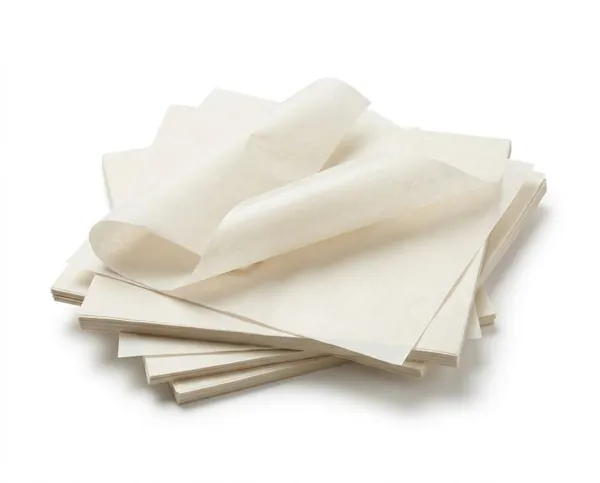
Store
Hard cheese needs to breathe a little. Plastic wrap traps moisture and invites mold and off flavors, while open air dries it out. Two-layer cheese paper sits in between, helping a wedge of parmesan or aged cheddar keep its texture for weeks.
Two-ply paper (one waxed or coated layer plus a porous one) and a surface where you can write the type of cheese and the date.
Useful for Hard cheese
See on Amazon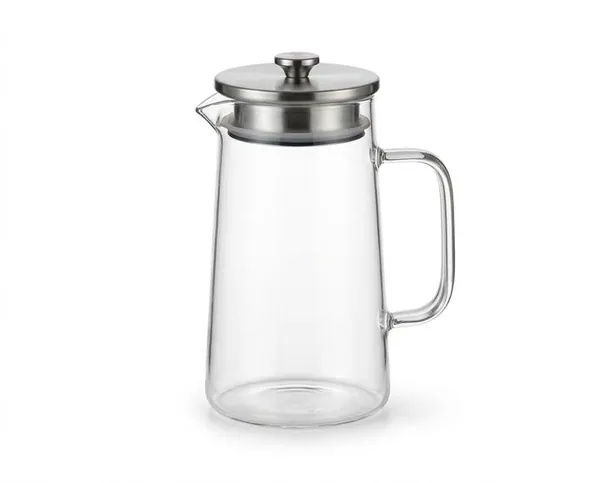
Store
Milk picks up fridge odors and warms up every time the carton is left on the table. A glass pitcher with a tight lid keeps smells out, is easy to clean and makes it simple to pour what you need and put the rest straight back in the cold. Wash it between batches instead of topping up older milk.
Thick glass, a sealed lid, and a narrow shape that fits on an inside shelf rather than in the door.
Useful for Milk
See on Amazon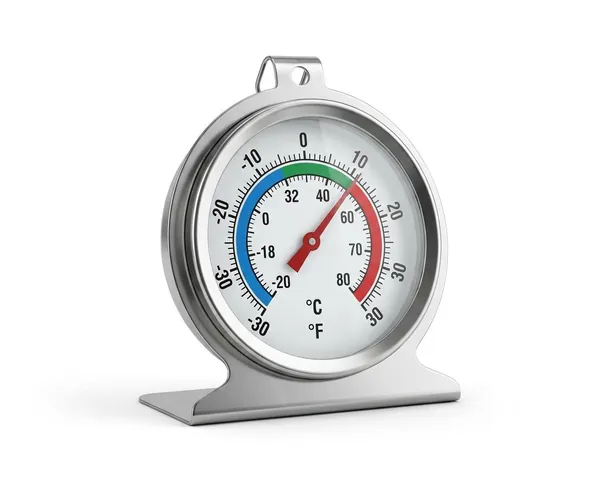
Store
Every storage time in the ebook assumes a fridge at 40 °F (4 °C) or below and a freezer at 0 °F (−18 °C). Many fridges run warmer than the dial suggests, and an inexpensive thermometer on the middle shelf is the only way to know for sure.
An easy-to-read scale in both °F and °C, a hook and a stand, and a range that covers both fridge and freezer.
Useful for Milk, Raw shrimp
See on Amazon5 products
When you know you will not get to something in time, the freezer is your best ally. These tools keep air out, divide food into portions and remind you what you saved and when.
Freeze
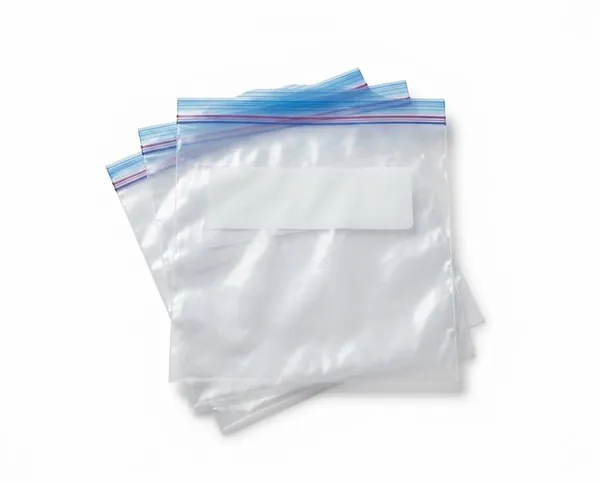
Freezer burn happens wherever air touches the food. Thick zipper bags let you press out almost all of it, freeze food flat so it thaws faster, and file portions upright like folders in a drawer.
Bags labeled for the freezer (thicker than regular storage bags), a double zipper, and a write-on area for the date.
Useful for Swiss Chard, Carrot, Bell Pepper, Onion, Tomato, Celery, Corn, Banana, Apple, Grapes, Strawberries, Blueberries, Raspberries, Mango, Raw chicken, Raw ground meat, Raw shrimp, Cooked rice, Bread, Tortillas
See on Amazon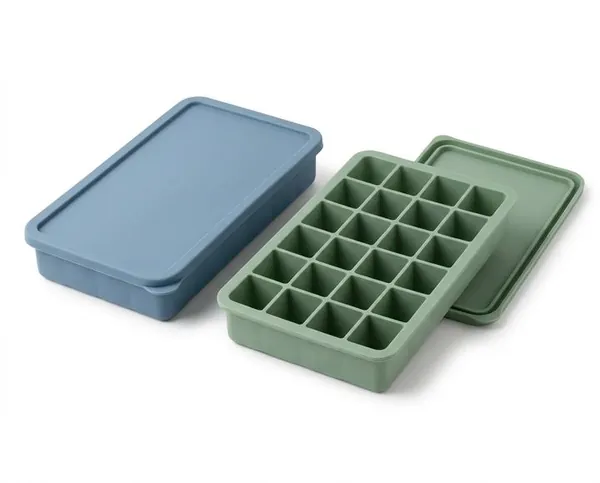
Freeze
Small amounts are the hardest to rescue: the juice of half a lemon, a bunch of herbs about to wilt, a few spoonfuls of yogurt. Frozen in a lidded silicone tray, they become ready portions that pop out one at a time for sauces, dressings and smoothies.
Flexible food-grade silicone, a lid that keeps freezer odors out, and cubes of roughly 1 to 2 tablespoons.
Useful for Garlic, Lemon, Parsley, Cilantro, Basil, Yogurt
See on Amazon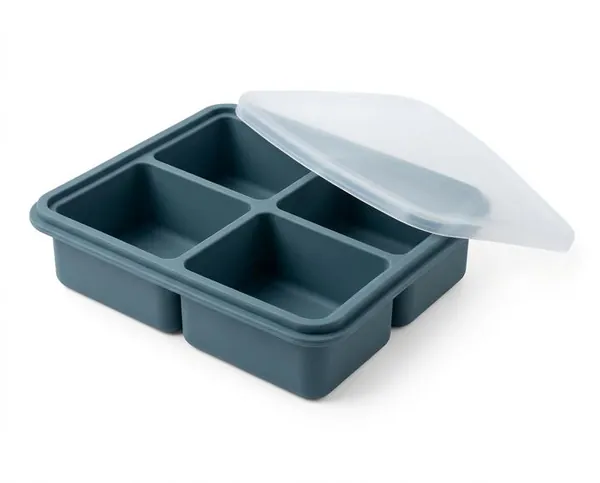
Freeze
Soups, beans and stews freeze best in measured blocks you can thaw without defrosting the whole batch. Large silicone portion trays turn a full pot into 1-cup or 2-cup bricks, which you can then move into a bag to free up the tray.
Fill lines, a rigid rim or lid so the tray does not bend when full, and oven-safe silicone.
Useful for Sweet potato, Orange, Cooked beans and legumes, Soups, stews and leftovers
See on Amazon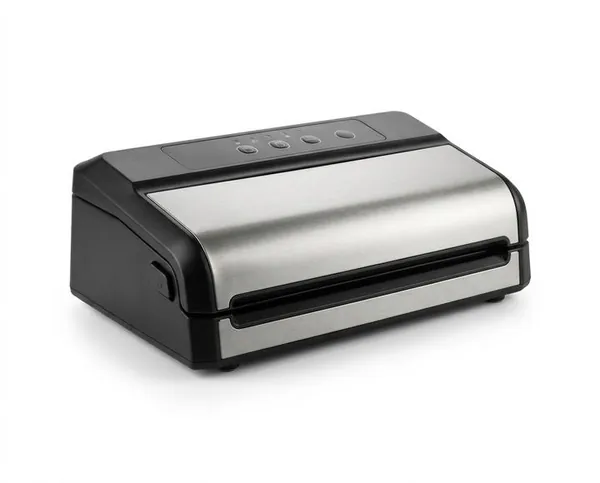
Freeze
Removing nearly all the air is the best protection against freezer burn for fish, meat and bulk buys, and sealed portions take up less room. Sealing does not replace cold storage: the FDA advises keeping vacuum-packed fish frozen and opening the package before you thaw it.
A pulse or gentle mode for delicate food, a built-in cutter, and bags sold in rolls so you can make any size.
Useful for Raw fish
See on Amazon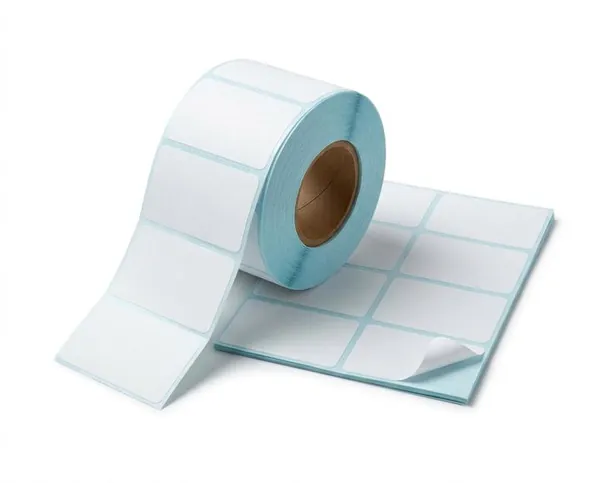
Freeze
The leftovers that get forgotten are the ones with no name and no date. Removable labels make it easy to note what is inside and when you made it, so you can follow the 3 to 4 day rule for leftovers and rotate the freezer instead of guessing.
Labels that peel off without residue, hold up in the freezer, and take an ordinary marker.
Useful for Soups, stews and leftovers
See on Amazon8 products
For trimming, grating, juicing and blending food that no longer looks perfect but is still good. These are the steps that turn a tired ingredient into the base of a recipe.
Prep
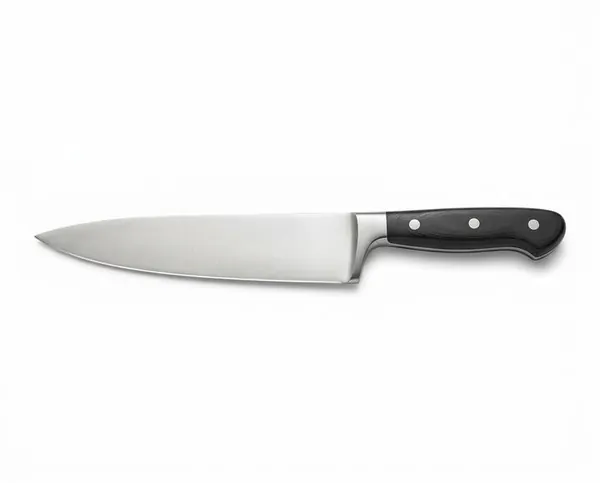
Rescue cooking starts with trimming: cutting away a bruise, dicing an onion before it softens, cubing a mango. A sharp, well-balanced chef's knife does that work faster and more safely than a dull one, which is more likely to slip.
An 8-inch blade in high-carbon stainless steel, a comfortable handle, and a full tang for balance.
Useful for Onion, Corn, Mango, Pineapple
See on Amazon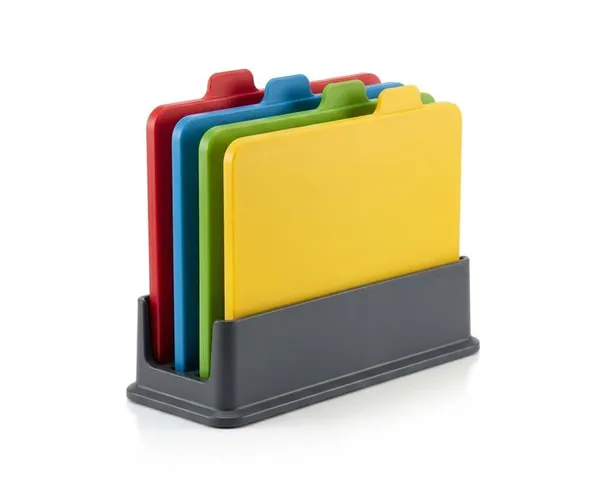
Prep
Keeping one board for raw chicken or fish and another for vegetables and bread is one of the simplest ways to prevent cross-contamination. Color-coded boards make the rule automatic, even when someone else is cooking.
Non-porous, dishwasher-safe boards with non-slip feet and colors or icons that clearly mark each use.
Useful for Raw chicken, Raw fish
See on Amazon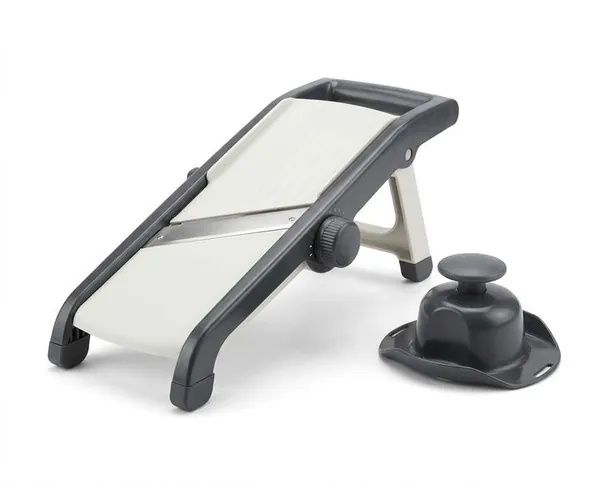
Prep
Thin, even slices turn a cucumber that is losing its snap into quick pickles or a crisp salad in a few minutes. A mandoline gives you that consistency without knife skills, as long as you always use the hand guard.
Adjustable thickness, a sturdy hand guard, and a cut-resistant glove, either included or bought separately.
Useful for Cucumber
See on Amazon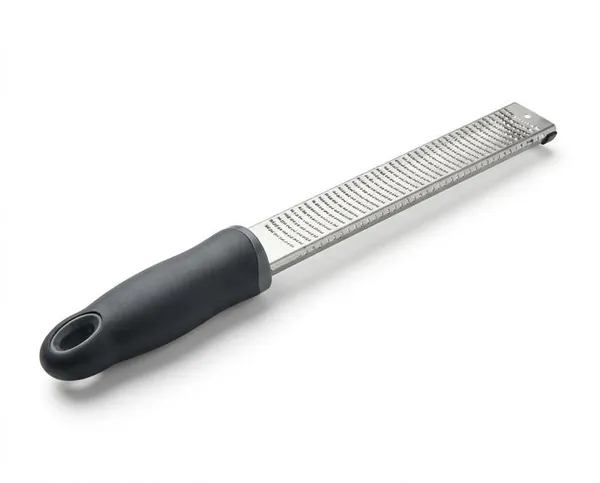
Prep
A fine rasp grater gets the most out of bits that usually end up in the trash: lemon zest before you juice the fruit, the last hard end of a parmesan, a garlic clove you want to melt into a sauce.
Sharp stainless steel teeth, a protective cover, and a handle that will not slip in wet hands.
Useful for Garlic, Lemon, Hard cheese
See on Amazon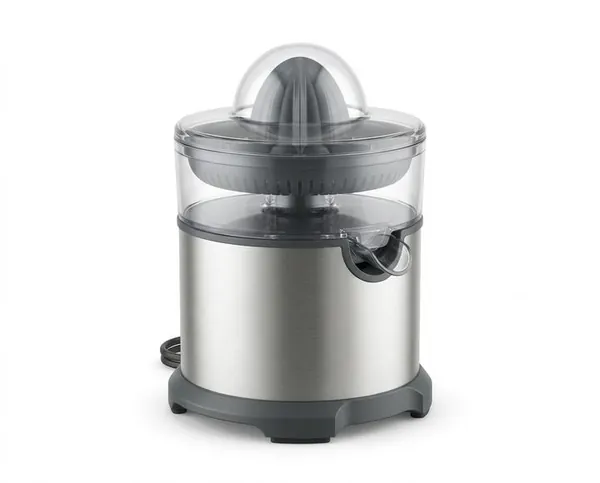
Prep
Lemons and oranges that are going soft are still perfect for juice. A juicer squeezes them quickly and catches the seeds, so you can freeze the juice in cubes or turn it into a syrup before the fruit spoils.
A strainer that catches seeds, a reamer that fits both lemons and oranges, and parts that come apart for cleaning.
Useful for Lemon, Orange
See on Amazon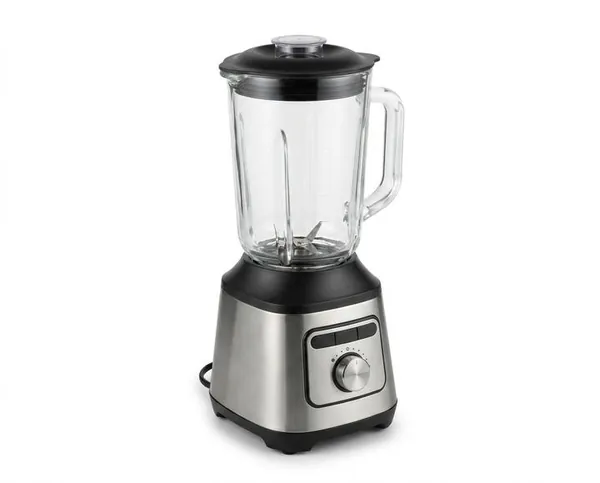
Prep
A blender is the fastest route for fruit and greens that are past their best for eating raw: an overripe avocado, wilting lettuce, a handful of cilantro. In smoothies, green sauces and cold soups, a soft texture disappears completely.
At least 1,000 watts, a pulse function or tamper for thick mixtures, and a jar that is easy to clean.
Useful for Lettuce, Avocado, Cilantro
See on Amazon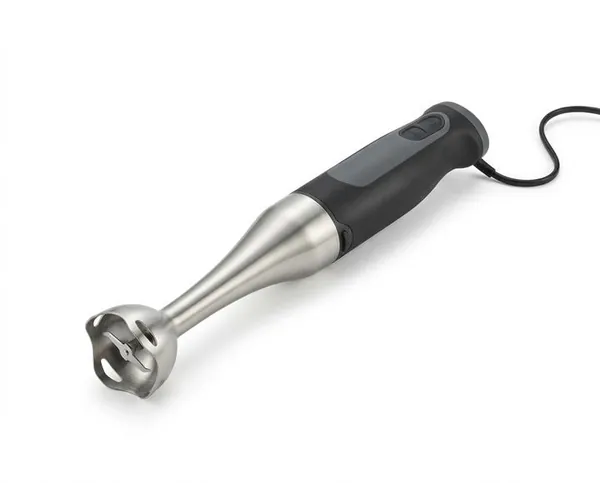
Prep
Soup is the classic rescue for tired carrots, celery and broccoli, and an immersion blender purées it right in the pot, with no pouring hot liquid into a jar. It also turns soft pears and apples into a smooth sauce in a minute.
A stainless steel shaft, two speeds or variable control, and a detachable shaft that can go in the dishwasher.
Useful for Broccoli, Carrot, Celery, Pear
See on Amazon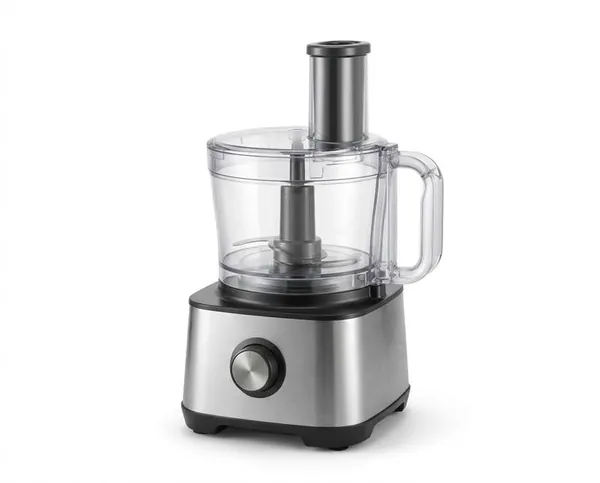
Prep
Pesto, hummus, cauliflower rice and shredded salads all start in a food processor. It turns a big bunch of herbs or a forgotten half head of cauliflower into something you eat today or freeze in portions.
A 7 to 11 cup bowl, a pulse button, and at least a slicing disc and a shredding disc.
Useful for Kale, Cauliflower, Mushrooms, Parsley, Basil, Cooked beans and legumes
See on Amazon9 products
The pans, pots and molds that show up most in the ebook's rescue recipes, plus the thermometer that confirms everything reached a safe temperature.
Cook
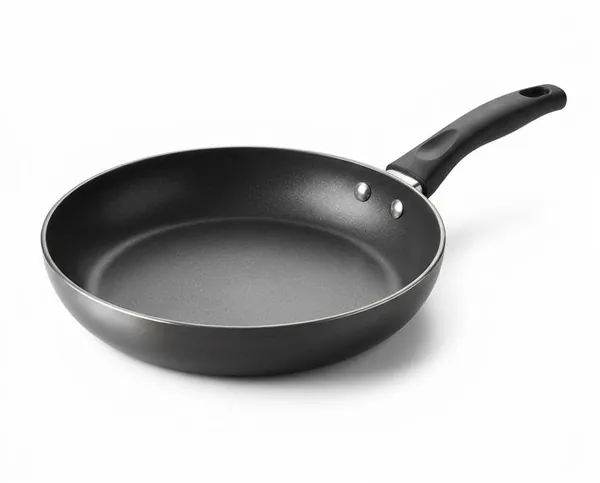
Most of the quick rescue recipes, from a spinach omelet to sautéed mushrooms or a fruit compote, happen in one skillet in under 15 minutes. A good nonstick surface lets you cook with little oil and flip eggs or pancakes without tearing them.
A 10-inch pan with a heavy, flat base that suits your stove (check for induction if you need it) and a PFOA-free coating.
Useful for Spinach, Zucchini, Mushrooms, Corn, Banana, Strawberries, Raspberries, Orange, Pineapple, Milk, Soft cheese, Eggs, Raw ground meat, Raw shrimp, Cooked pasta
See on Amazon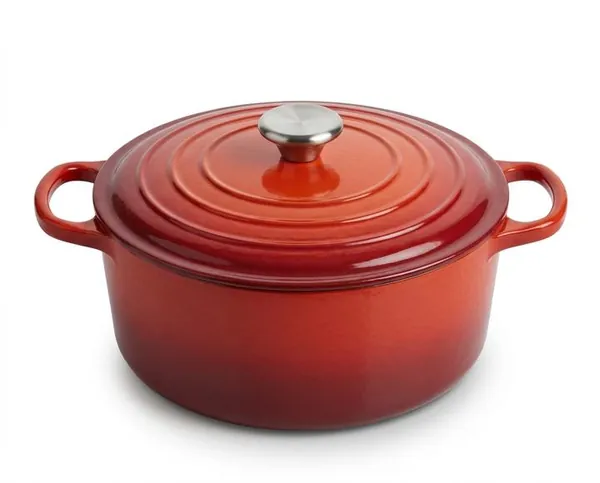
Cook
A heavy pot holds steady heat through long simmers, which is how leftovers and vegetable odds and ends become soups and stews worth freezing. Enameled cast iron goes from stovetop to oven and does not react with tomatoes or wine.
A 5 to 6 quart size, a tight-fitting lid, and smooth, chip-resistant enamel on the inside.
Useful for Soups, stews and leftovers
See on Amazon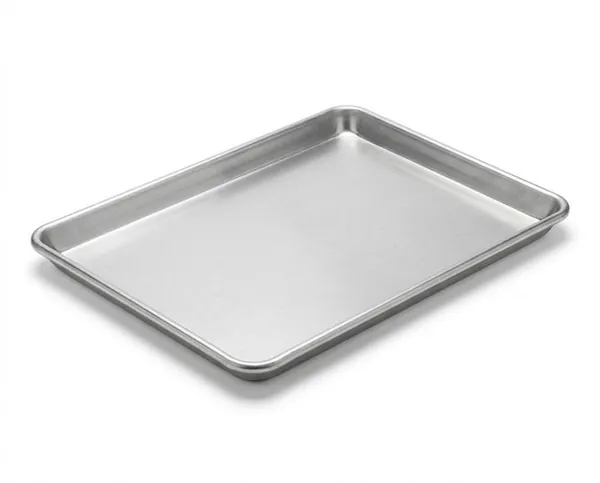
Cook
Roasting is the most forgiving way to rescue vegetables: slightly soft broccoli, kale, potatoes and sweet potatoes come out caramelized and crisp. A rimmed sheet pan is also how you freeze grapes and berries in a single layer before bagging them.
Heavy-gauge aluminum that will not warp, a rolled rim, and a half-sheet size that fits a standard oven.
Useful for Kale, Broccoli, Tomato, Potato, Sweet potato, Grapes, Bread
See on Amazon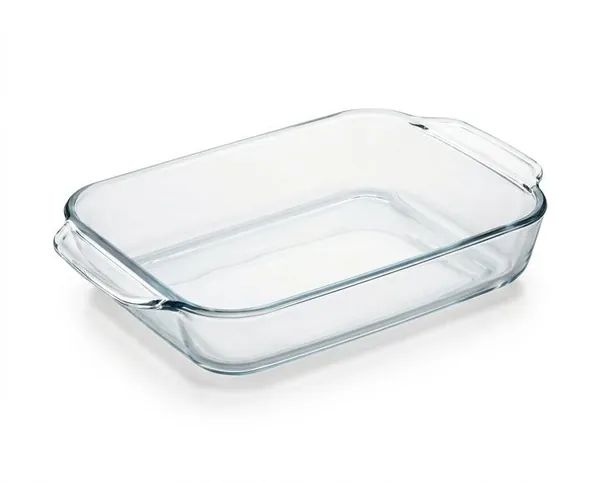
Cook
Gratins, baked pasta and crumbles are where odds and ends come together: a bit of cheese, leftover chicken, peppers, a couple of apples. A glass dish lets you check the browning from the side and, once cool, goes into the fridge to store what is left.
Tempered or borosilicate glass, a 9 x 13 inch size, and a matching lid so leftovers can stay in the same dish.
Useful for Swiss Chard, Cauliflower, Bell Pepper, Potato, Zucchini, Apple, Pear, Hard cheese, Soft cheese, Cooked chicken, Cooked meat, Cooked pasta, Tortillas
See on Amazon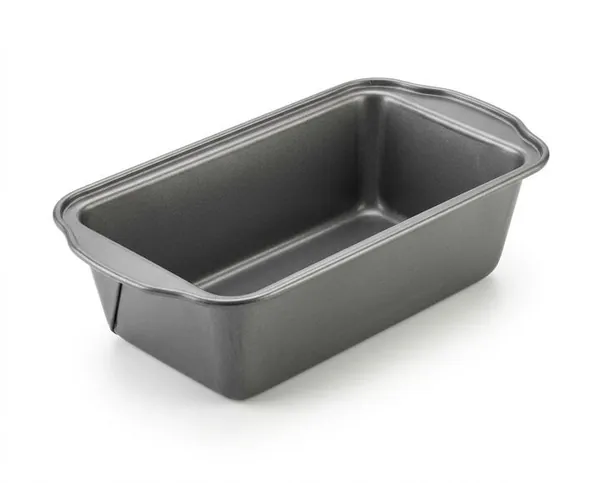
Cook
Very ripe bananas with brown or nearly black peels are not a problem: they are the best ingredient for banana bread. The same pan works for zucchini bread or a savory loaf made with leftover vegetables and cheese.
A 9 x 5 inch pan in light-colored metal for even browning, nonstick or with room for parchment paper.
Useful for Banana
See on Amazon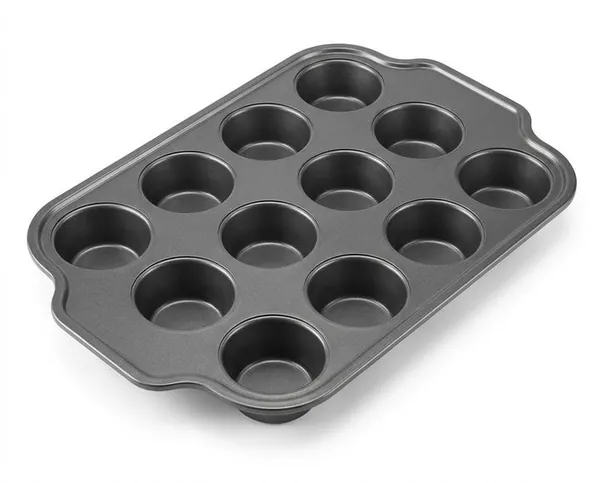
Cook
A muffin pan turns small leftovers into grab-and-go portions: blueberry muffins, mini frittatas with leftover vegetables, or yogurt and fruit cups that you freeze and pop out later.
A 12-cup pan in heavy steel, nonstick or with silicone liners, and wide handles you can grip with oven mitts.
Useful for Blueberries, Yogurt
See on Amazon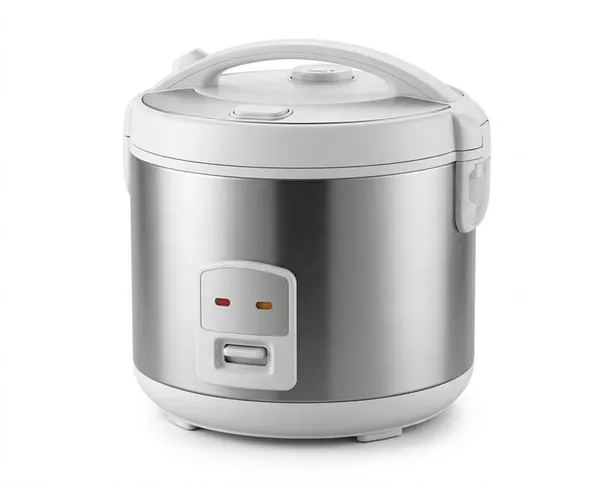
Cook
Cooked rice is one of the leftovers that needs the most care: it should cool quickly and be in the fridge within two hours. A rice cooker makes consistent batches in the amount you actually need, so less is left over in the first place. When there is extra, spread it in a shallow container so it cools fast before you store it.
A capacity that matches your household (3 to 5 cups uncooked suits most families), a removable nonstick bowl, and a delay timer.
Useful for Cooked rice
See on Amazon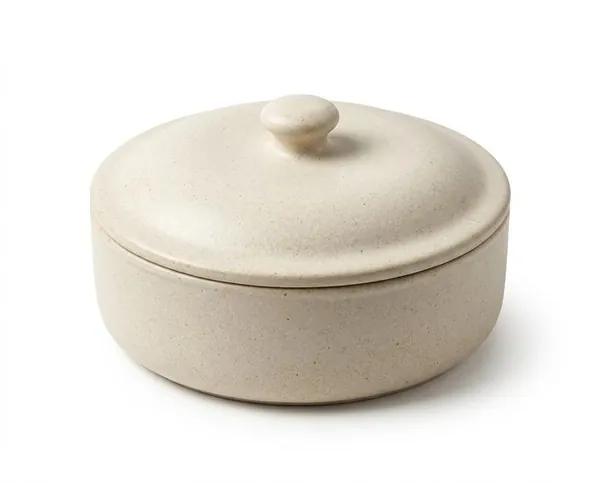
Cook
Tortillas dry out and crack within minutes of leaving the pan. An insulated warmer keeps them soft and hot through the whole meal, so you heat the stack once and none of them end up stiff and thrown away.
Insulated fabric or ceramic, room for 8-inch tortillas, and a microwave-safe material if you want to reheat right in it.
Useful for Tortillas
See on Amazon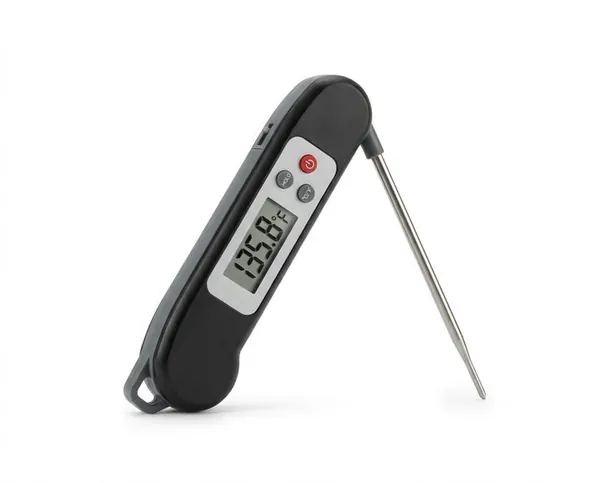
Cook
Color is not a reliable sign that chicken, ground meat, fish or eggs are fully cooked. An instant-read thermometer tells you when they reach a safe internal temperature: 165 °F (74 °C) for poultry and reheated leftovers, 160 °F (71 °C) for ground meat and 145 °F (63 °C) for fish.
A reading in 3 seconds or less, a thin probe, and the option to recalibrate it.
Useful for Eggs, Raw chicken, Cooked chicken, Raw ground meat, Cooked meat, Raw fish
See on AmazonNo. Kitchen Rescue is a PDF ebook. You download it and read it on your phone, tablet or computer, and you can print the pages you use most if you like.
You pay on Hotmart and receive access by email once the payment is confirmed.
Yes. There is an English version and a Spanish version, and each one is sold separately.
No. The book works without them. They are suggestions for anyone who wants to equip their kitchen, and if you buy through these links Amazon pays us a commission at no extra cost to you.
This guide is educational and does not replace manufacturer instructions or medical advice. Whenever there is reasonable doubt about a perishable food, throw it out.